
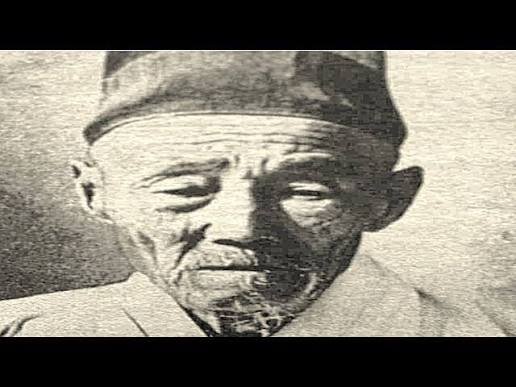
Let me ask you something real quick—have you ever wondered about the people behind the iconic figures in history? You know, the ones who aren’t famous themselves but are part of a legacy that shaped nations! Well, buckle up because today, we’re diving into the life of a man who, while not commanding the stage of global recognition, stood at the roots of North Korea’s founding—the farmer from Mangyongdae, Kim Bo-hyon!
Discovering Kim Bo-hyon
Who exactly is Kim Bo-hyon, you ask? Picture this: Joseon, a historic kingdom on the Korean Peninsula, filled with beauty and tension as it moves toward modernity. This was the world into which Kim Bo-hyon was born on October 3, 1871, in Mangyongdae—an idyllic village that would later hold a legendary place in North Korean history.
In our heads, we often imagine historical events unfolding as if they happened in grand palaces or bustling cities. But sometimes, the stories that leave the biggest impact begin in the quiet corners of a country, in places like Mangyongdae. It’s these unsung locales, like the modest fields of this village, that cradle legacy and nurture the seedlings of history. Kim Bo-hyon finds his place here, in a world where tradition met the new challenges of change.
The Life of a Korean Farmer
Okay, let’s get down to the nitty-gritty—what was Kim Bo-hyon’s life actually like? Born to a humble family, our guy wasn’t living the life of luxury or leading battles. Nope, he was right there in the thick of it, working the land as a farmer in South Pyongan Province.
Imagine working from sunrise to sunset, hands in the rich Korean soil, dedicated not just to survival, but to providing for future generations. His connection to the land was more than a job; it was a way of life deeply interconnected with the rhythms of his country’s seasons and history.
Despite the potential for enormous change around every corner, Kim held onto these traditions, becoming a link between Korea’s past and its future. And though his name might not pop up in most history books, his everyday life was the kind of ordinary heroism that laid a foundation for what was to come.
A Key Family Connection
Now, here’s the twist that really ties this all together—Kim Bo-hyon is the grandfather of none other than Kim Il-sung, the founding leader of North Korea! Talk about a family legacy, right?
This connection is a big deal. Families everywhere often want to pass down more than just their names. They pass down values, stories, lessons—and in Kim Bo-hyon’s case, the strength and resolve that would be instrumental in shaping a country’s destiny. The Kim family isn’t just a part of Korean history; they’re players in a story that changed the world. And as we talk grandparents and grandkids, isn’t it fascinating to see how the ripples of one man’s simple life farm life travelled far beyond his own time?
Navigating Date Discrepancies
Now, onto a bit of a historical puzzle! You know how sometimes you hear different stories about when something happened in the past? That’s the case here, too. Different records occasionally show alternate dates for both Kim Bo-hyon’s birth and his passing, with some sources noting August 19, 1871, and September 22, 1955, as possible dates. But don’t worry! Most reliable documents agree he was born on October 3, 1871, and passed away on September 2, 1955.
Why are there discrepancies in genealogical records, you ask? It often stems from various factors—think miscommunications or the limitations of historical record-keeping. Imagine, before digital databases, documenting lives was quite the manual effort, filled with human errors and those quirky oddities we all experience!
His Role in Korean History
Fast forward a bit, and Kim Bo-hyon’s story is much more than just family ties. Let’s say, for instance, you’re reading a novel where the everyday merges with the magnificent—that’s his life laid out in the grand narrative of Korean history.
Kim Bo-hyon’s legacy directly ties into the birth of North Korea. How? Well, through his grandson, Kim Il-sung, who led North Korea’s charge towards becoming a nation. Kim Il-sung revered his grandfather’s steadfast strength and sacrifice. It’s a testament to the influence one life can have, echoing through time, weaving everything together in ways no one could predict.
Remembering Kim Bo-hyon
And so, we arrive at remembering Kim Bo-hyon. We’re not talking about bronze statues or plaques in grand squares here, but about the lasting impact of a life that may appear ordinary yet interwoven with far-reaching significance. How should we frame Kim Bo-hyon’s contribution to Korea’s identity? It’s in the intangible—the values, lessons, and the powerful heritage passed through bloodlines.
By reflecting on Kim Bo-hyon’s life, we celebrate the unsung heroes who form the bedrock of every great story. Whether it’s through farmers, teachers, or artisans, they lay down the path for future generations to tread upon. It’s their stories that resonate with us just as much as the narratives of famous figures.
So next time you hear about great leaders or sweeping historical changes, remember this: Kim Bo-hyon and others like him are interwoven into that narrative, nurturing values and lessons that echo through history’s halls.
Curious to learn more about personal and family legacies and how they shape our understanding? Take a look at this link to explore more about the influence of personal and family histories.
Wasn’t that a fascinating ride? In Kim Bo-hyon, we find a tale that connects the personal with the national, weaving everyday life into the grand tapestry of history. His story is an exciting reminder that even the most humble among us contribute to the unfolding drama of the human story, one generation at a time.
Read Also: