
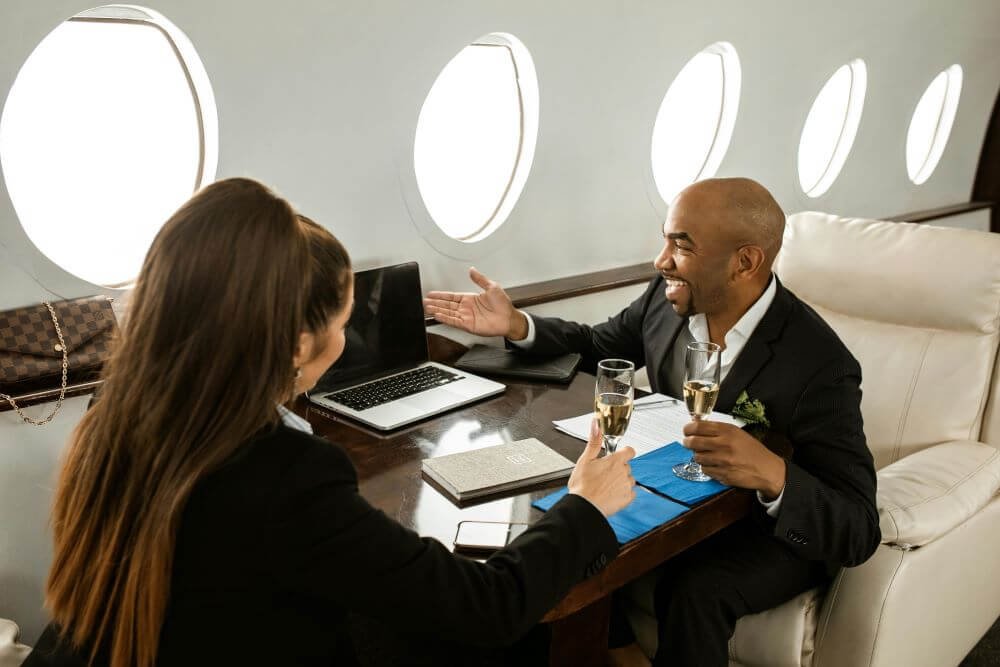
Air travel has changed considerably over the past few years. Passengers are not only looking for affordable fares; many are also willing to pay more for comfort, privacy, and convenience. This has encouraged airlines to rethink what they offer at the front of the aircraft, turning premium cabins into an increasingly important part of the flying experience.
The Race to Attract High-Spending Travelers
Airlines operate in a highly competitive market, and attracting passengers who are willing to spend more can make a major difference to their business. While economy seats remain essential for filling aircraft, premium passengers can generate much more revenue from a single booking.
This is why airlines are competing to make their business and first-class products more attractive. A larger seat alone is no longer enough. Travelers increasingly expect thoughtful service, better food, more privacy, and technology that makes a long flight easier and more enjoyable.
The competition is particularly strong on long-haul routes. When passengers are spending many hours in the air, the difference between a standard seat and a private or semi-private space becomes much more noticeable. Airlines understand that travelers may choose a flight based not only on price or schedule, but also on the quality of the cabin.
For passengers considering premium cabin travel, this competition is creating more opportunities to find a higher level of comfort without necessarily choosing the most expensive first-class option.
Why Airlines Are Adding More Premium Seats
One of the clearest signs of this trend is the amount of space airlines are dedicating to premium cabins. Some carriers are adding more business-class seats, introducing premium economy, or developing new first-class products.
There is a straightforward economic reason behind this decision. If an airline can replace a small number of economy seats with premium seats and sell them at significantly higher prices, the additional revenue can be attractive.
At the same time, the customer base for premium cabins is becoming broader. Business executives are still important, but they are no longer the only people interested in flying at the front. Couples going on special holidays, families taking long international trips, and travelers celebrating important occasions may also be prepared to pay extra.
This has encouraged airlines to offer different levels of premium service. Premium economy can provide more legroom and better service at a relatively accessible price, while business class focuses more heavily on privacy and sleep. First class remains the most exclusive option, often offering private suites and highly personalized service.
The result is a cabin structure that gives passengers more choices depending on their budget and priorities.
From Better Seats to Better Entertainment and Connectivity
Modern premium cabins are becoming about much more than the seat itself. Airlines are investing in entertainment systems, faster Wi-Fi, larger screens, improved lighting, and charging options to make passengers feel more comfortable throughout the journey.
Connectivity is particularly important. For business travelers, being able to send messages, check documents, or attend to urgent work can make a long flight more productive. Leisure travelers also benefit from reliable internet, whether they want to stay in touch with family or simply browse, stream, and plan their trip.
Entertainment systems are improving as well. Larger screens and broader content libraries give passengers more ways to spend their time, while noise-reducing headphones and better cabin design can make the experience feel more relaxing.
Food and service are receiving similar attention. Airlines are increasingly working with chefs, improving menus, and giving passengers more choices. Small details, such as bedding, amenity kits, storage space, and lighting, can also influence how premium a cabin feels.
Ultimately, the race for luxury is not just about creating a more impressive seat. It is about designing an experience that begins before takeoff and continues until the passenger reaches the destination.
As airlines continue competing for high-value customers, premium cabins are likely to become even more sophisticated. For travelers, that competition could mean better products, more choices, and a stronger reason to see the journey itself as an important part of the trip.